

01 / 03
InsightFlow AI
An AI business analyst for small businesses that explains what changed in their sales data, with the evidence behind every figure.
SIX DISCIPLINESONE STANDARD
AI systems, software, interfaces, backends, cloud and automation, built around the problem. We choose the simplest technology that solves it, and check that it actually works.
Genuine engineering.
FILM1:14
Where we start, how we choose the technology, and what you keep when the work is done.
Every week, a new technology promises to change everything. Most of it is built to impress. Very little is built to work.
Aksali Technologies starts somewhere else. With the problem. What is actually broken. Who it affects. And what success would look like.
Then we choose the simplest technology that solves it. Sometimes that is a model. Often, it is not.
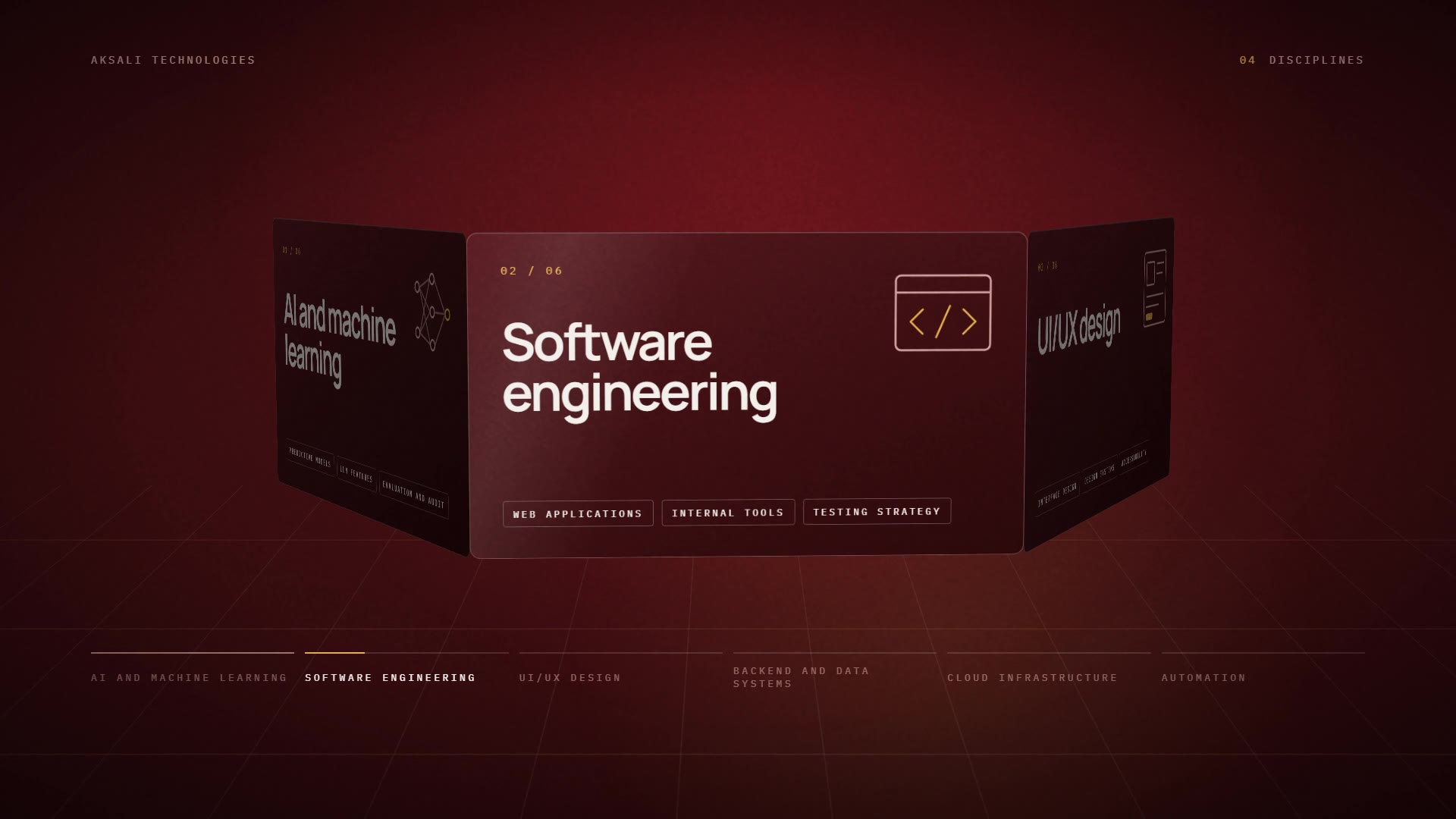
AI and machine learning. Software engineering. UI and UX design. Backend and data systems. Cloud infrastructure. Automation. Six disciplines. One standard of engineering.
Every system is measured against real conditions, and reported honestly, limits included.
Then everything is handed over. The code. The documentation. The knowledge to run it. Yours to keep.
No hype. No shortcuts. Just technology that does its job. Aksali Technologies. Genuine engineering.
GENUINE ENGINEERING.
Many software projects disappoint for reasons that have nothing to do with code.
01Common practice
Common practice: The wrong problem gets solved.
How we build
How we build: Understand the problem first.
02Common practice
Common practice: The impressive option wins over the reliable one.
How we build
How we build: Choose tools on their merits.
03Common practice
Common practice: Nobody measures whether the result works.
How we build
How we build: Treat honest measurement as part of the job.
INSIDE THE WORK
Every project moves through the same stages. The tools change from one problem to the next; the discipline does not.








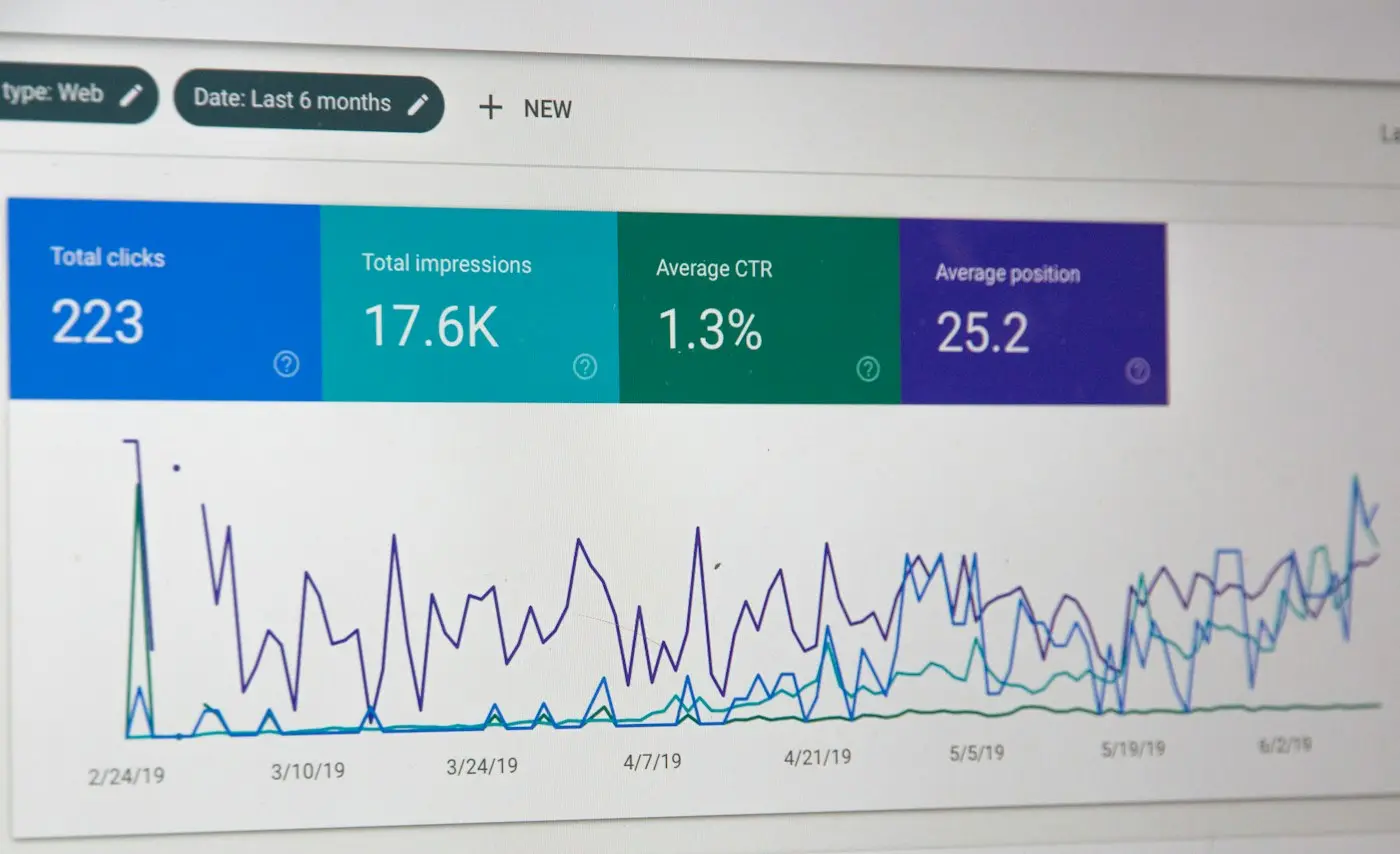

Models and AI features built for a defined task, evaluated against the conditions they will face, and deployed only where they genuinely add value.
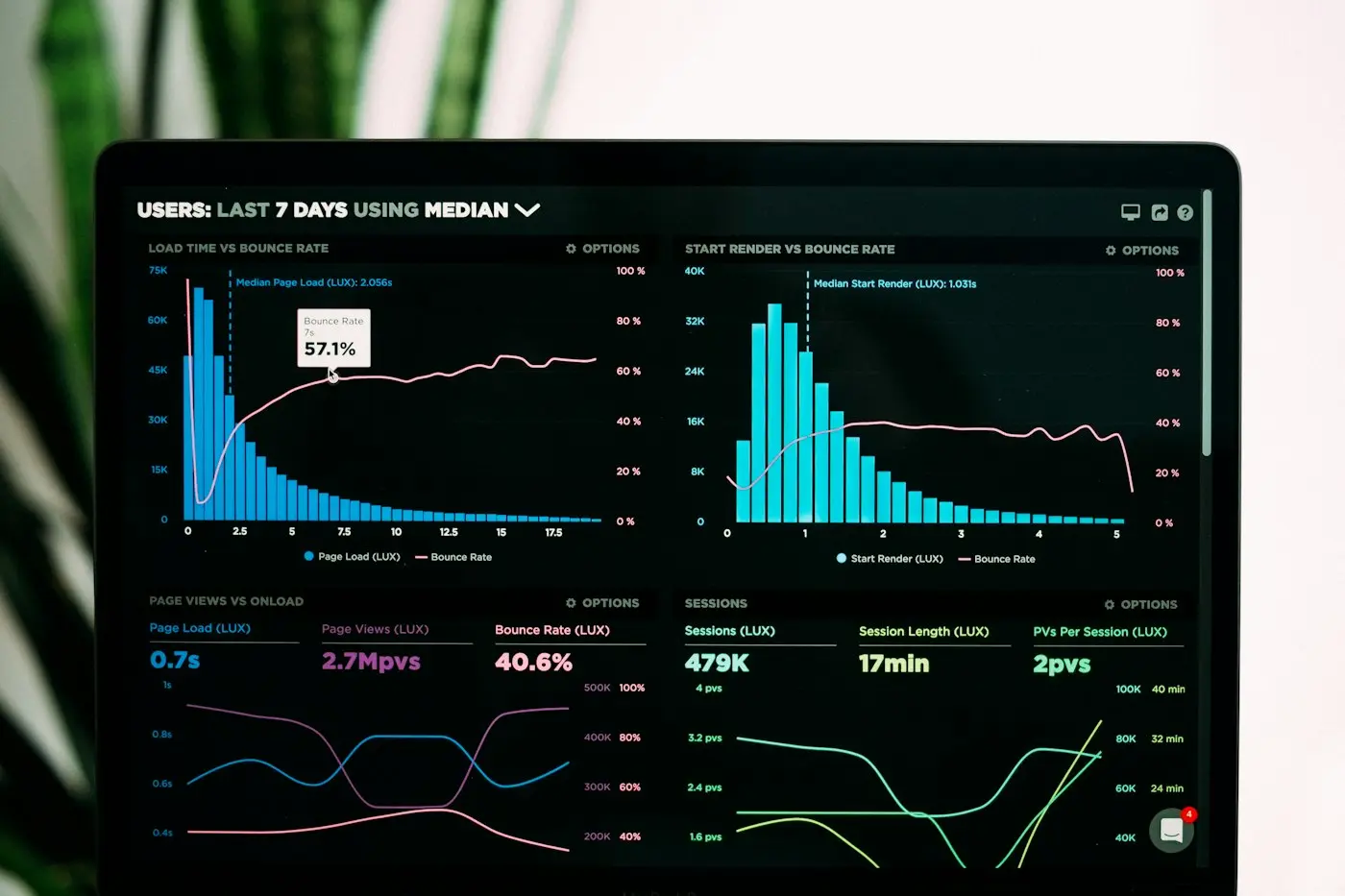
Web applications, dashboards and internal tools with clean architecture, sensible tests and code your team can keep building on.
Interfaces designed around the task people are trying to complete, with accessibility built in and the same team designing and building.
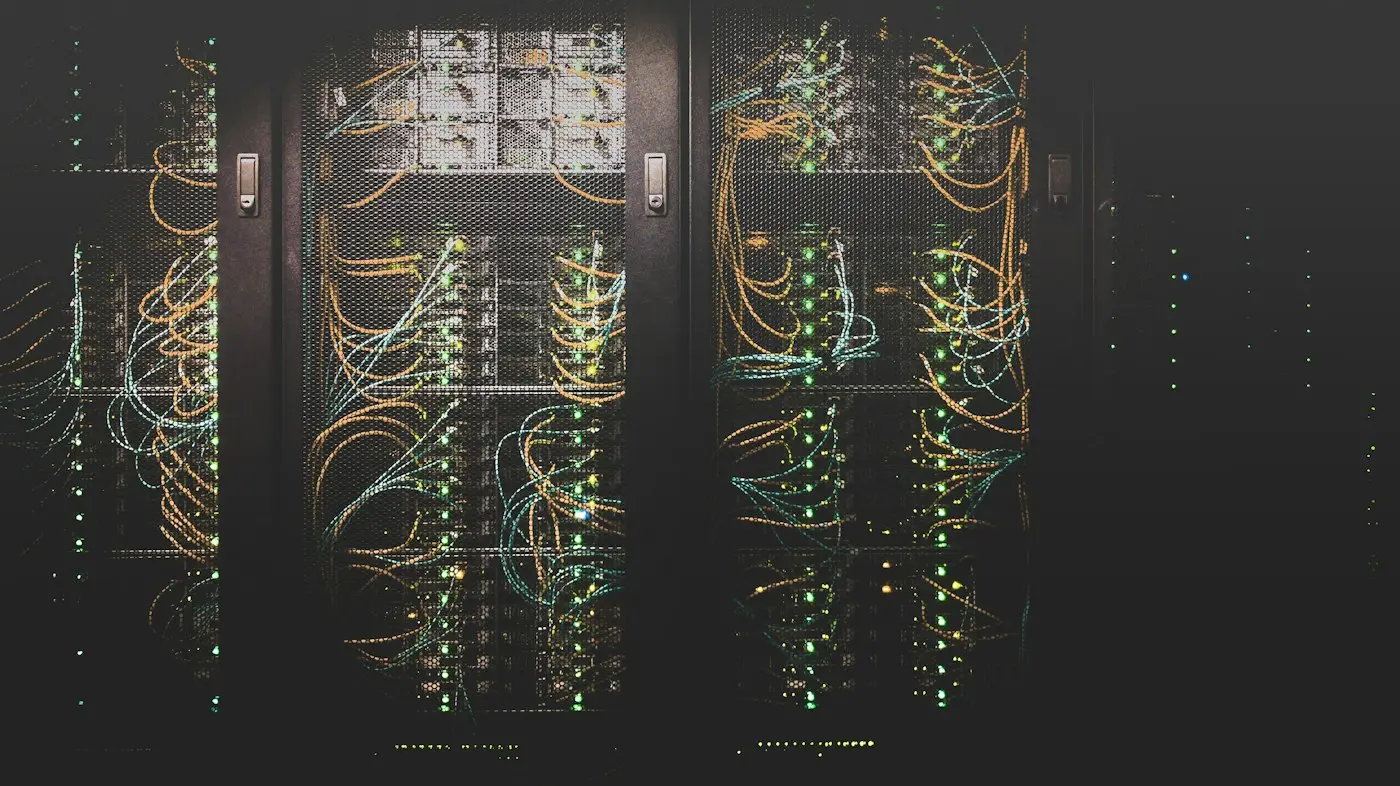
APIs, databases and data pipelines that hold up under real traffic and real data, with security decided in one place.
Deployment, hosting and delivery pipelines sized to the problem, so releases are routine and problems surface before users find them.
Repetitive work turned into reliable workflows, with AI used only for the steps that need judgement and people kept in charge of the decisions that matter.
PRINCIPLES
We define what success looks like before choosing a single tool.
If a rule, a query or a simple script solves it, we use that. AI is for problems that need it.
We test models and systems against real conditions and report results honestly, including the ones that complicate the story.
Clear code, documentation and hand-over, so the system outlives the project.
SELECTED WORK
Real projects from our engineering, presented as what they are.
01 / 03
An AI business analyst for small businesses that explains what changed in their sales data, with the evidence behind every figure.
02 / 03
A resume optimiser for job seekers that tailors a resume to a specific role without inventing experience.
03 / 03
A platform where families and the public report missing and found people, and trained reviewers decide what is published and which reports may describe the same person.
Tell us what you are trying to do. We will tell you honestly whether we can help, and what it would take.
Start a conversation


